Our Story, Our Whakapapa
Welcome to the heart of Manutūkē Marae. Here, we share our history, our values, and our deep connection to this whenua. Join us as we journey through time, exploring the stories that have shaped us and the kaupapa that guide us.
A Legacy of Resilience
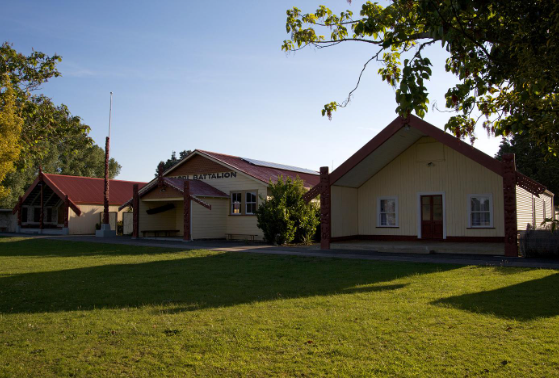
Manutūkē Marae, located 14 km east of Gisborne in the township of Manutūkē, is the home of Ngāti Kaipoho and Ngāti Te Aweawe, hapū of Rongowhakaata. Our story is one of resilience, unity, and a deep commitment to our whakapapa. In 1913, Otene Pitau initiated the relocation of Te Poho o Epeha, Te Poho o Rukupo and Te Poho o Hinehou to this site, uniting our whānau and strengthening our community ties.
Te Poho o Rukupo: A Testament to Time
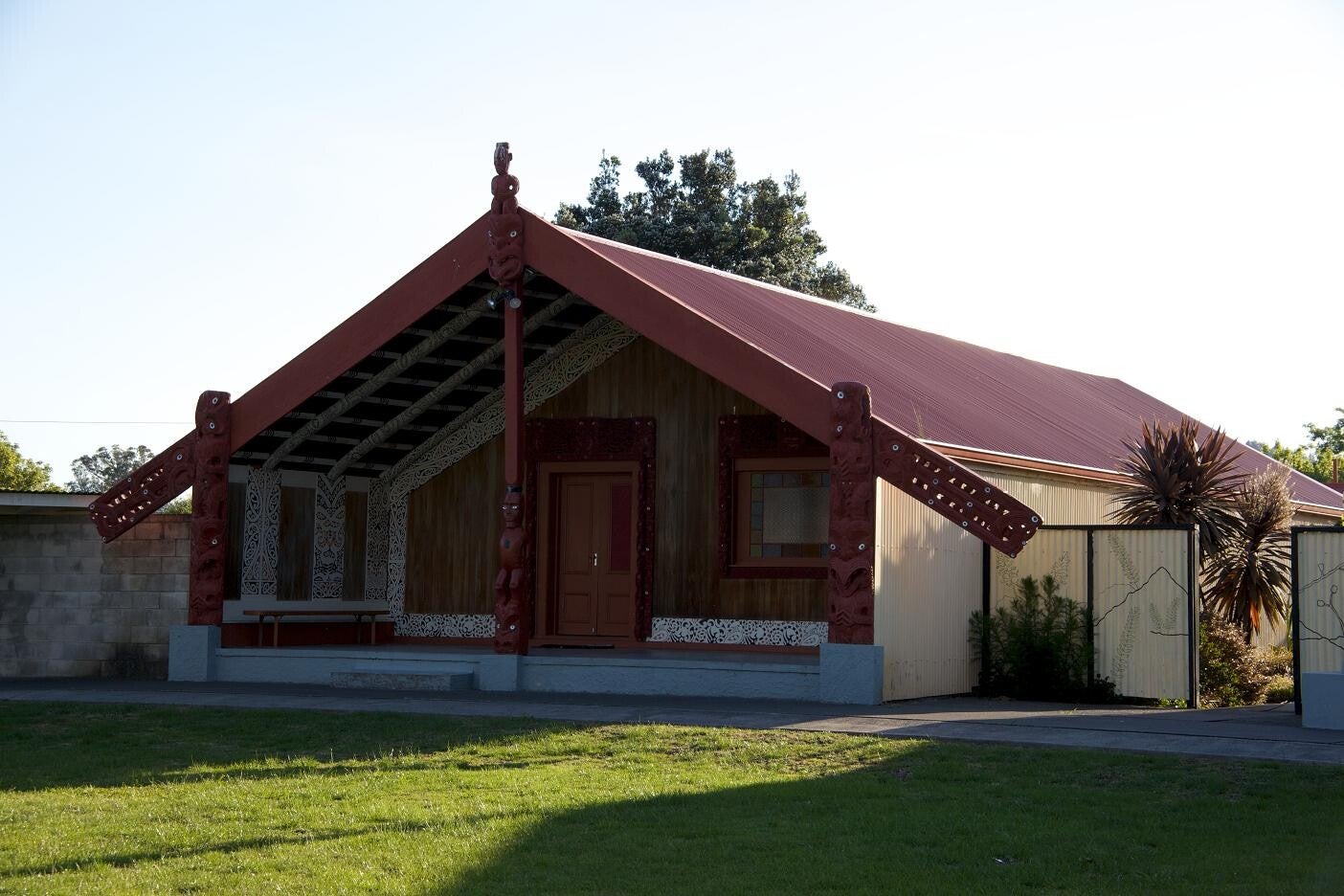
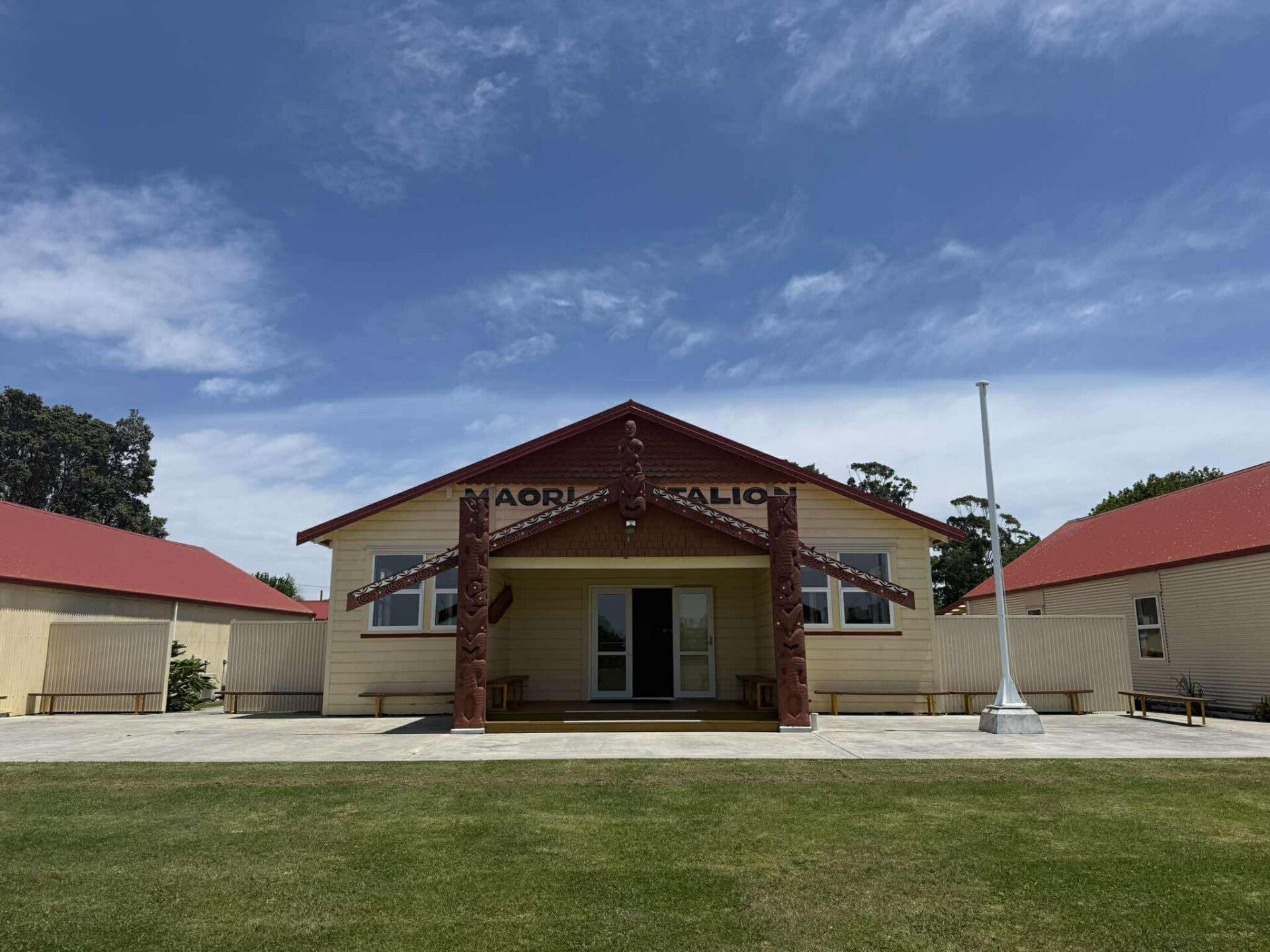
Te Poho o Rukupo, initiated by Pera Tawhiti and completed in 1878, stands as one of the oldest meeting houses in the Tūranga-nui-a-Kiwa region. Its walls echo with the voices of our ancestors and the stories of our past. The wharekai, originally named Te Poho o Hinehou, was renamed 'Māori Battalion' to honour the soldiers returning from the Second World War, a testament to our respect for service and sacrifice.
Our Connections: Whenua, Awa, Waka
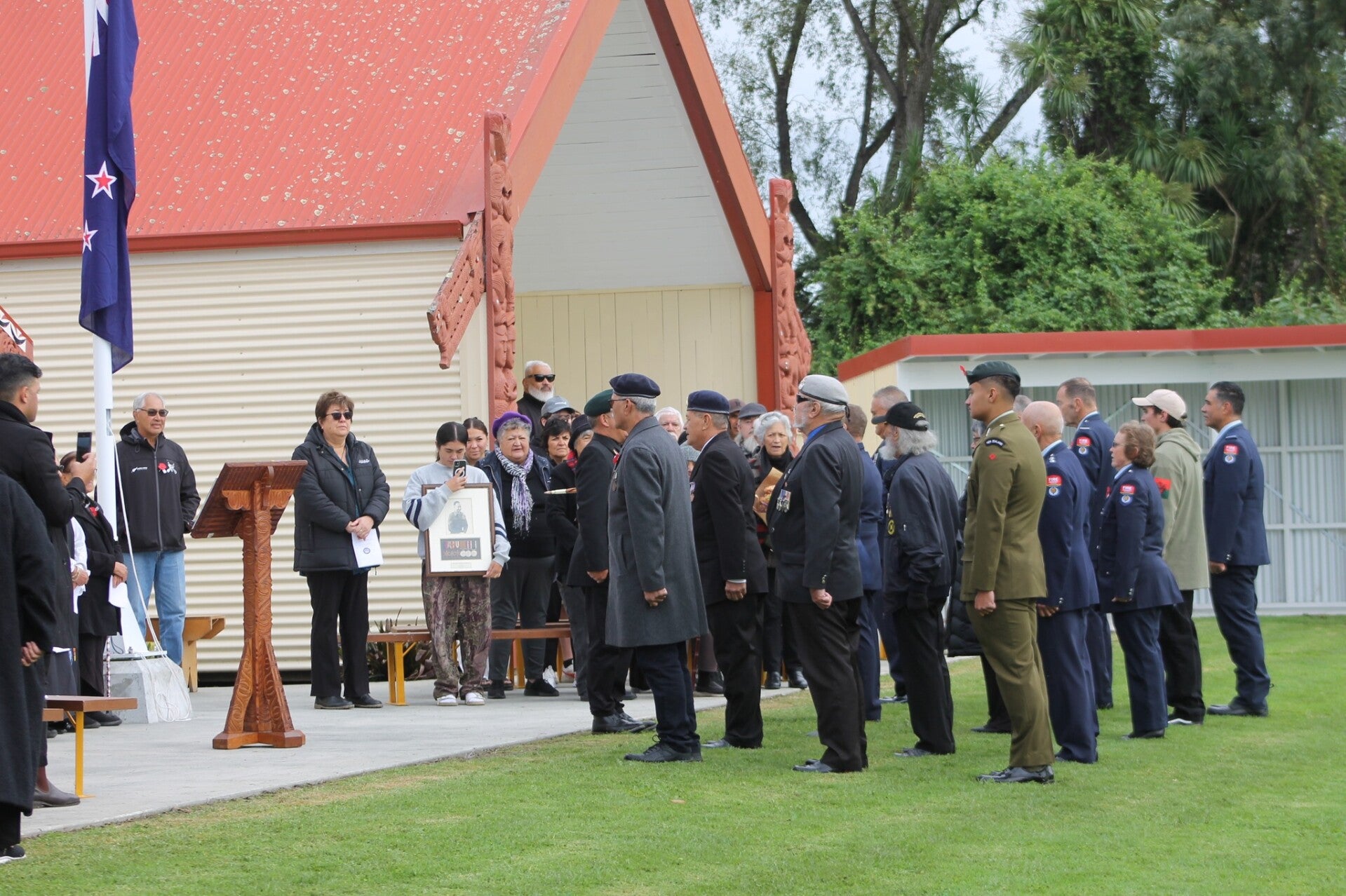
Our marae is deeply connected to the whenua, awa, and waka that have shaped our identity. We are descendants of Horouta and Tākitimu waka, and our spirit is intertwined with the maunga Manawaru and the awa Te Ārai. Manutūkē is not just a place; it is a living embodiment of our whakapapa, our history, and our future.
Marae Trustees
| Robert Whaitiri (Chairperson) | Awhi Wyllie (Vice Chair) |
| Matt Maynard | Parehuia Maxwell |
| Vivienne Makara | Pare Tureia |
| Mihi Aston | Nicky Nikora |
Marae Committee
| Rei Turner(Chairperson) | Amanda Waitai (Secretary) |
| Howie Kotuhi (Treasurer) |
Marae Support
| Grounds Maintenance | Nuna Wyllie |
| Project Manager | Junior Ria |
| Project Administrator | Diane Menzies |
| Marae Communications | Bobby Howard |
| Marae Bookings | Amanda Waitai |
"Ko Manawaru te maunga, Ko Te Ārai te awa, Ko Horouta me Takitimu nga waka, Ko Ngāti Kaipoho me Ngāi Te Aweawe nga hapu, Ko Rongowhakaata te iwi."
Manutūkē Marae